
Piti
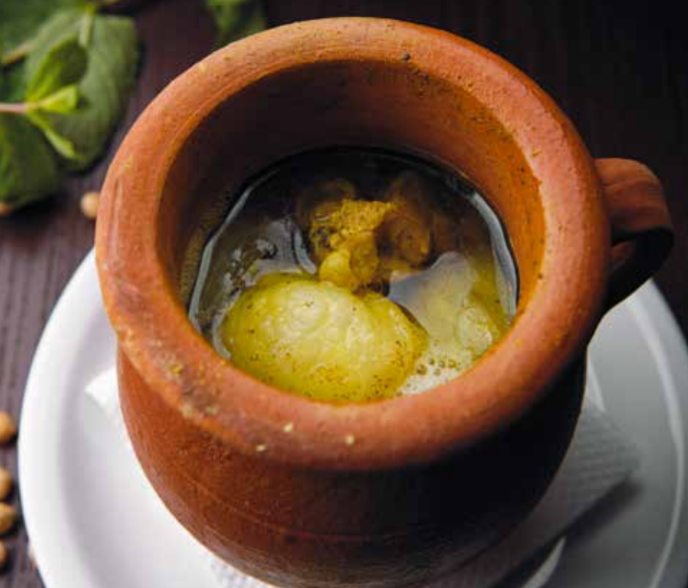
Şəkinin məşhur bu yeməyi, şəhərin işçi sinfi üçün, doyumlu olan quzu əti yeməyi kimi hazırlanmağa başlamışdır. İndi ölkə daxilində də məşhurdur, amma, buna baxmayaraq, ən orijinal piti qabı üçün mütləq Şəkiyə getməlisiniz. Noxud, şabalıd, zəfəran və yerli ədviyyatlar, yeməyə ləzzətlər qatır, lakin əsas element pitinin bişirildiyi və verildiyi saxsı qablarda olur. Üstəlik, bu, əslində bir qabda iki yeməkdir: əvvəlcə bulyonu ayrı bir qaba töküb şorba kimi həzz alırsınız, sonra qalan hissəni əsas yemək kimi yeyirsiniz!

Digər bloq yazıları
Plov
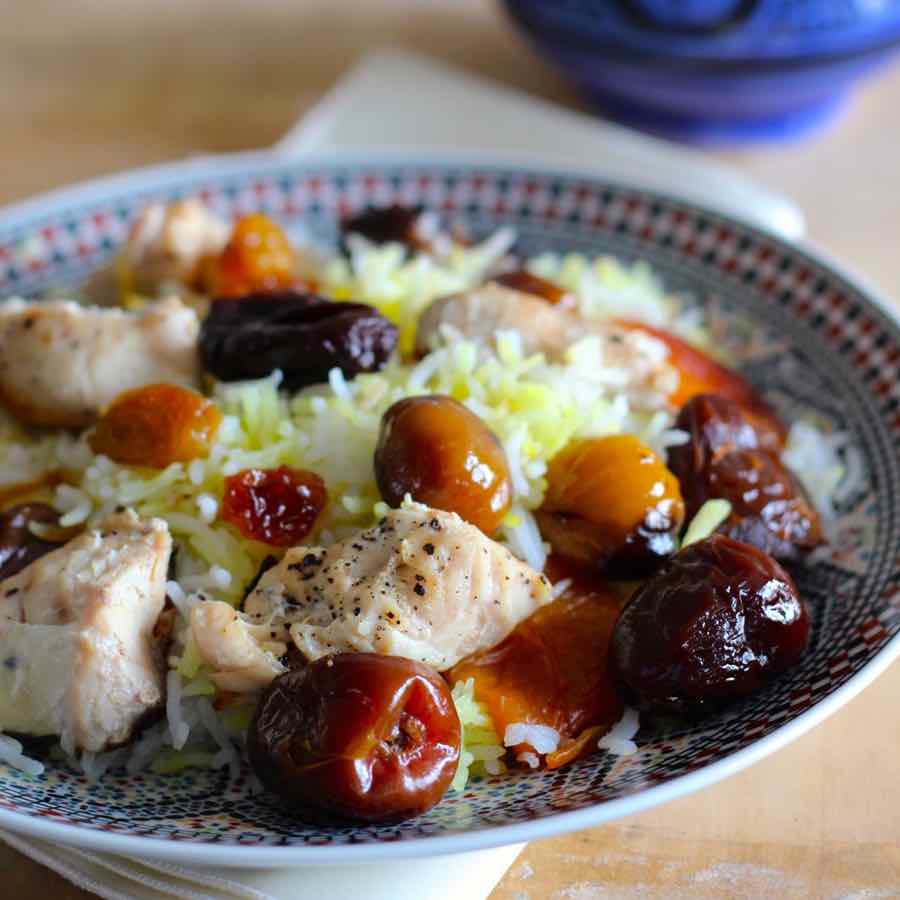
Otlar, quru meyvələr, ət yaxud da balıq və digər yerli məhsullarla qarışdırılmış düyüdən hazırlanan plov heç vaxt cansıxıcı ola bilməyən bir yeməkdir! Plovun müxtəlif növləri var və o hər hansı bir milli bayramda həmişə süfrədə olur. Ən populyar növlərdən bəziləri "fişincan" (nar və qoz sousundakı çəkilmiş ət ilə), "şirin" (kişmiş və qurudulmuş ərik ilə) və yağlı lavaş çörəyi qatlarına bürünmüş "şah"dır.
Paxlava
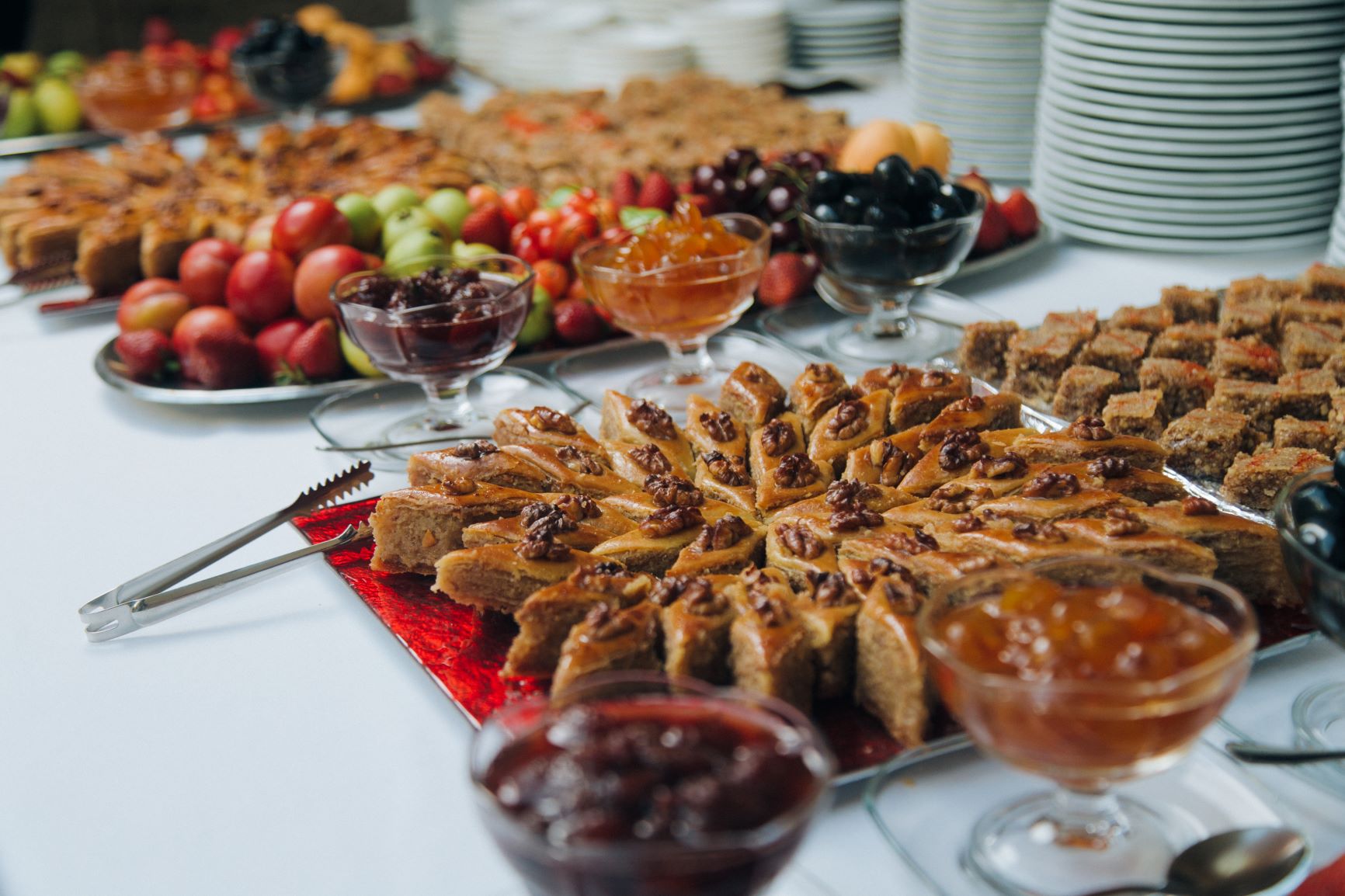
Dadına doyulmaz və ən ləzzətli xəmir xörəyimiz, məşhur paxlava: qoz-fındıq və ya püstə ilə doldurulmuş, bal və ya şərbət ilə örtülmüş xəmir təbəqələri. Ənənəvi olaraq Novruz tətilində "şəkərbura" və "şorqoğal" ilə birlikdə yeyilir, amma, eyni zamanda il boyu da ləzzətlə yeyilə bilər. Paxlava, alovu simvolizə edən bir almaz formasına malikdir və bölgədən bölgəyə fərqlənir. Şirniyyatları ilə məşhur olan iki şəhər - Şəki və Qubada paxlavanın regional dəyişikliklərini sınamağınızı tövsiyə edirik.
Arzuman küftəsi
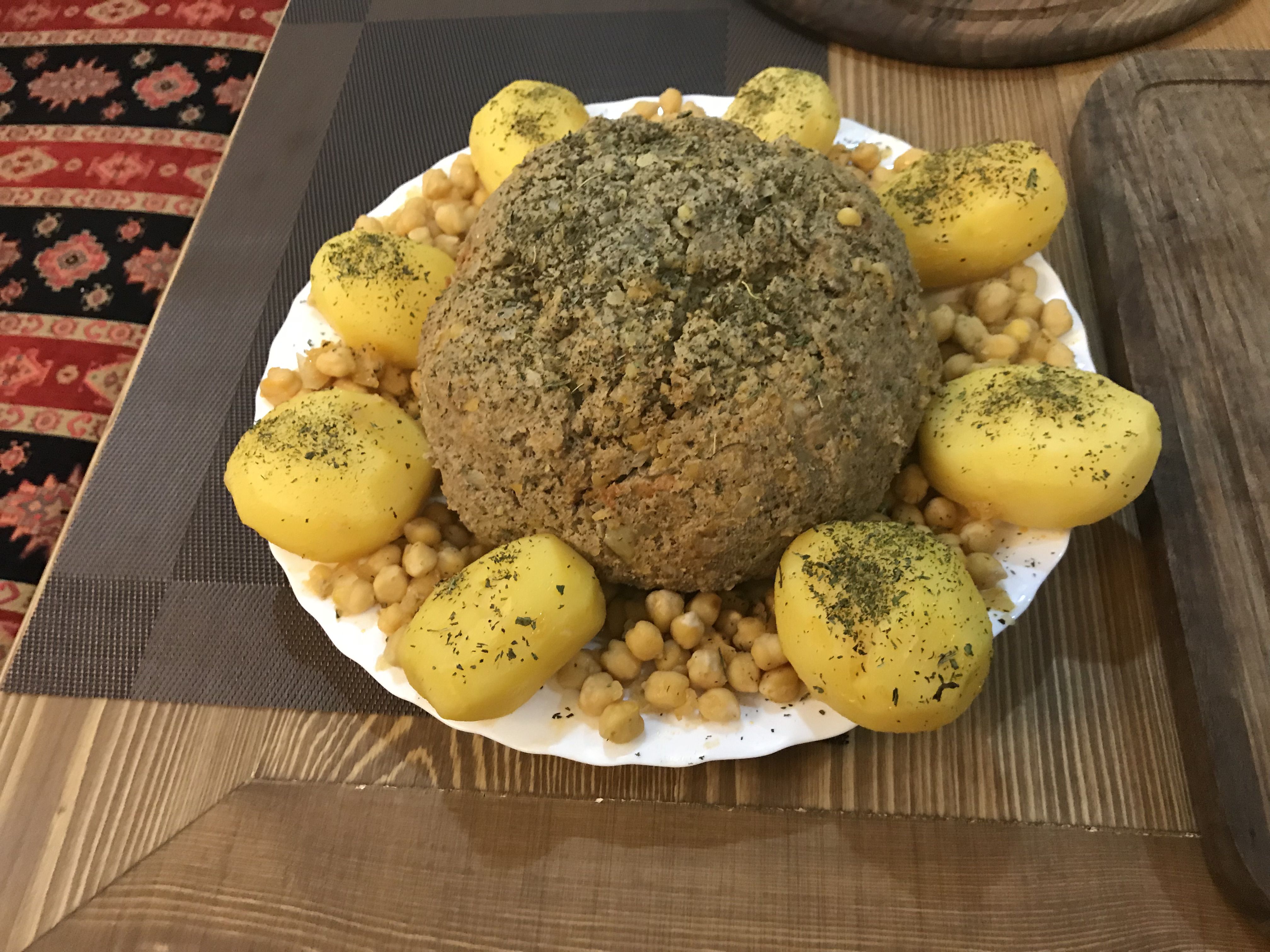
Bu tamamilə bənzərsiz küftə yeməyi Naxçıvandan gəlir və ən təcrübəli səyyahları belə təəccübləndirəcək böyük ölçüsünə görə belə adlandırılmışdır: bu, Azərbaycan mətbəxindəki bütün küftə yeməklərindən ən böyüyü, ən ağır olanıdır və yalnız bir nəfər üçün çox böyükdür. Yemək qaynadılmış yumurta ilə doldurulmuş tam toyuqdan hazırlanır və nəhəng topa bükülmüş, xırdalanmış mal əti və yağlı qoyun ətinin qarışığı ilə örtülür və qaynadılmış kartof ilə bişirilib, verilir.
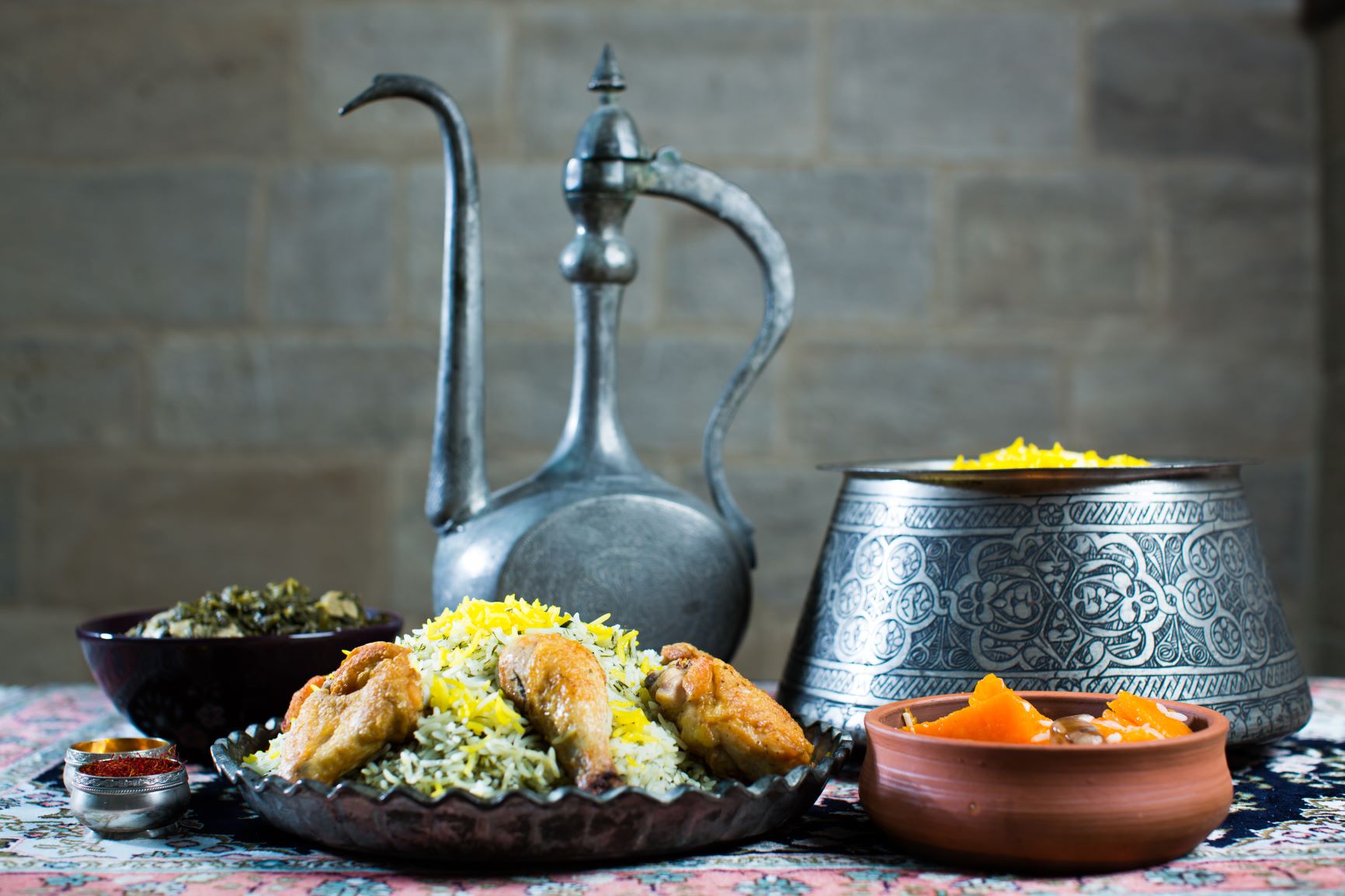
Şah plov
Daha çox toylarda və ya xüsusi günlərdə verilən şah plovu ‘plovların kralı’ adlandırırlar və ən çox qovurma - bişmiş ət, qoz-fındıq, quru meyvə və otlar ilə verirlər. Şah plov həm ləzzətli bir yeməkdir, həm də unudulmaz bir daddır. Yağlı lavaş çörəyi örtüyü ilə bir-birinə yapışdırılan plovu kəsdikdən sonra, düyü və digər məhsulların heyrətləndirici ətri sizə qalıcı bir təəssürat bəxş edəcəkdir.